IMSolutions
How to clean 9 items and appliances you use every day
We all use a lot of objects and appliances in our daily lives, but we very rarely clean them regularly. When was the last time you cleaned your toothbrush? And your iron? Did you remember to disinfect your phone? These are neglected in terms of cleaning items, but in reality they are a breeding ground for microbes and bacteria that could harm your health. In the following lines we will tell you why cleaning and disinfection of various commonly used items and appliances is so important and we will give you tips on how to do it.
1. How to clean your glasses
The glasses require daily care because they are constantly contaminated by sweat, makeup and other external elements. Harmful microorganisms easily accumulate on the frames and glass. To clean them properly, you can follow these steps:
– Wash your hands thoroughly;
– Rinse the windows under lukewarm running water, being careful with the frames if they are made of material that could be damaged after washing;
– Clean with mild soap;
– Finally, rinse thoroughly and dry with a soft, clean cloth.
# Bonus tips
● Never use a dry cloth directly on your glasses, as this may scratch them;
● Microfiber towels are a great option for wiping, but make sure there are no particles on them that will scratch your glass;
● Vinegar is sometimes used for cleaning. It may be the preferred cleaner for some surfaces at home, but not for glasses, because it can damage the frame and glass.
2. How to clean your toaster
Toasters are part of the small appliances that are used a lot in everyday life. It is good to sanitize them regularly, so as not to reach a point where you will not be able to keep them in good condition. Here is the sequence we recommend you follow:
– Turn off the toaster;
– Remove the part that collects crumbs and wash it with professional cleaner Crystal;
– Rinse and allow to dry completely before putting again;
– Then turn your toaster upside down over the trash can and shake. This will remove the crumbs left on the heating element and in the appliance;
– You can use a small brush or toothbrush to remove particles stuck to the heating components;
– Clean the outside and wipe with a damp cloth;
– Dry with a clean, dry cloth;
– Finally, make sure the toaster is completely dry before using it.
# Bonus tip
● Most importantly, never immerse the toaster in water to clean it.
3. How to clean the coffee machine
According to a study by CBS News, bacteria such as Staphylococcus (Staph Infection) and e-Coli can be found in coffee from a machine that has not been sanitized for a long time. Experts recommend cleaning your coffee maker at least once a month, and we advise you to follow these steps:
– Remove the tank and wash it thoroughly;
– Then proceed to the removal of the accumulated scale with the help of Pachico Kontrakalk A;
– Rinse and allow to dry;
– Wipe the outside of the coffee maker, the heating part and the cable with a slightly damp cloth;
– Finally, use a clean, dry cloth to dry.
# Bonus tips
● We recommend that you turn off all small appliances when not in use;
● Never immerse the coffee machine under water when cleaning.
4. How to clean the hair dryer
Have you ever read the warning label on the hair dryer cord? In fact, some of the instructions on the label tell us to turn off the plug after use and not to use it near water. It seems reasonable, doesn’t it ?! However, the most used place for drying is the bathroom. We recommend that you be careful with this appliance and keep it clean by following this sequence:
– Make sure that the hair dryer is unplugged before cleaning;
– Then unscrew the end cap of the vent;
– Rinse the filter and clean all lint deposits. Allow to dry completely before putting back on;
– Use a wet cotton swab to clean the ventilation grilles;
– Install the filter and end cap;
– Clean the outside of the hair dryer and the cord with a damp cloth;
– Finally, dry with a clean, dry cloth.
# Bonus tips
● Also, do not store near water, especially when the appliance is plugged in;
● Never immerse under water.
5. How to clean the hair brush
The hairbrush is used every day and can house various colonies of bacteria if not cleaned regularly. Pay attention to this fairly commonly used item and follow the following hygiene measures:
– Remove all hair from the brush;
– Then fill a glass with warm water and dissolved detergent and disinfectant;
– Put the brush in a glass and turn. Remove excess dirt;
– Rinse the brush thoroughly;
– Finally, let it air dry.
# Bonus tip
● You should clean your brush every one to two weeks.
6. How to clean the scissors
Scissors are another item that everyone uses often in their daily lives. Hardly most people realize that it can trap germs that can harm your health. If you find that your scissors look dirty and sticky, here’s an easy way to keep them clean:
– Pour detergent into a suitable container;
– Soak a clean cloth in the solution;
– Squeeze out the towel to remove excess liquid;
– Wipe the scissors and handle thoroughly with it.
# Bonus tips
● Never use only water to clean the scissors, as the blades may rust;
● Another cleaning option is to use an alcohol-based product and a cotton swab;
● After cleaning, you can put a few drops of mineral oil in the part where friction occurs between the two blades.
7. How to clean a toothbrush
Toothbrushes contain bacteria. Food particles are trapped in the bristles, and dust and other forms of dirt accumulate on them. Some experts recommend using 3% hydrogen peroxide or mouthwash to properly clean your toothbrush, and the steps you should follow are:
– Fill a glass with antibacterial mouthwash;
– Insert the toothbrush with the bristles down;
– Soak overnight;
– Rinse in the morning.
# Bonus tips
● Never share your toothbrush;
● Keep it upright;
● Placing a wet toothbrush in a closed container promotes the growth of bacteria;
● Replace the toothbrush every 3 to 4 months;
● Sterilization of your toothbrush should not be done in a dishwasher or microwave oven.
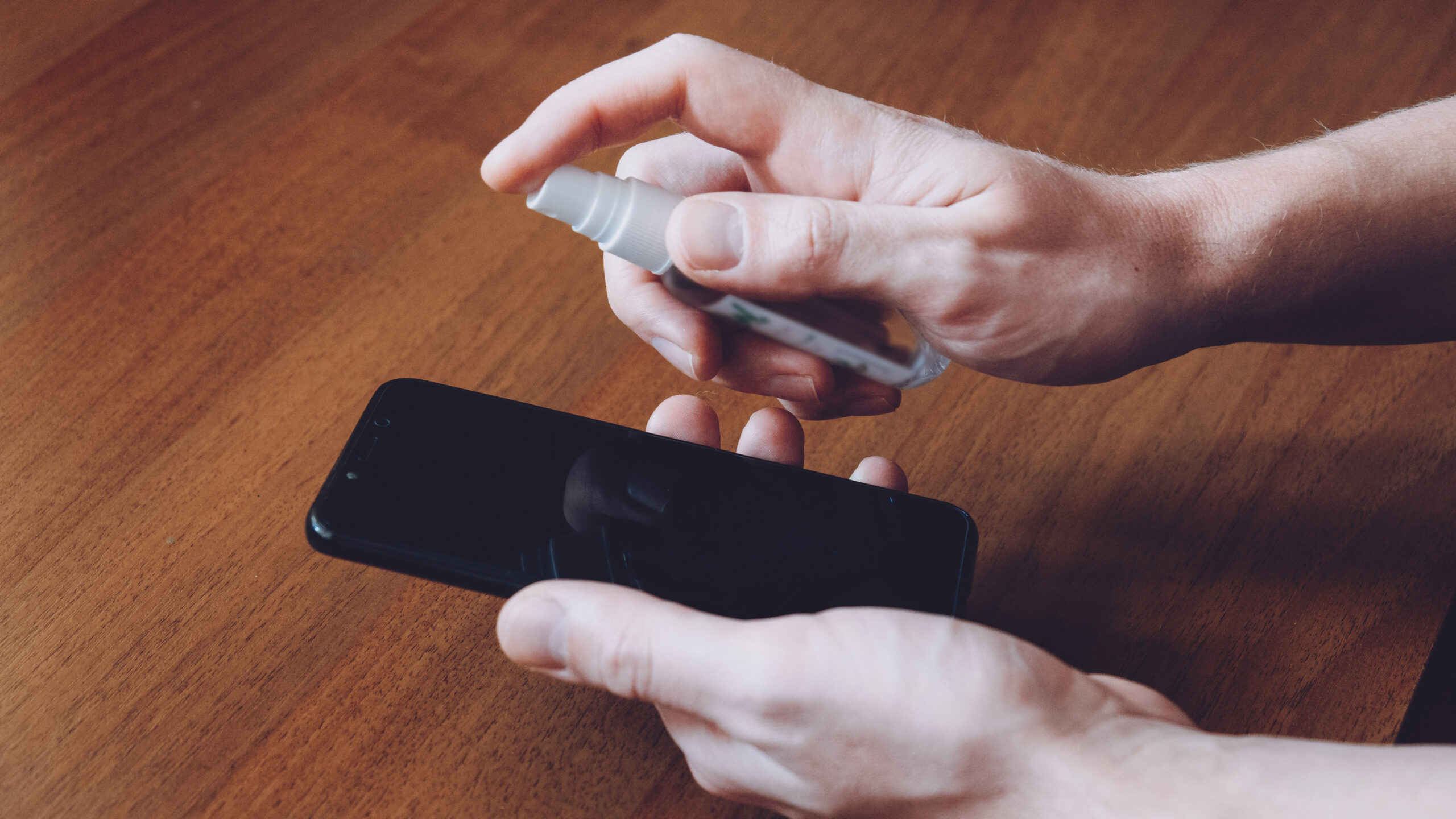
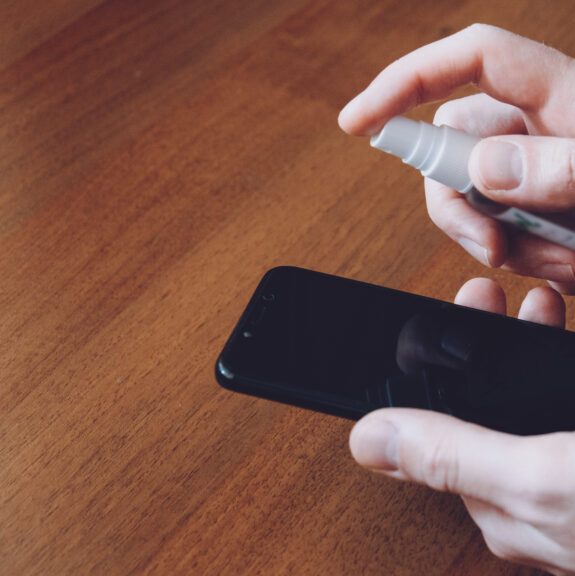
8. How to clean the phone
Many experts compare phones to the places where the most harmful bacteria and pathogens, such as toilet bowls, are collected. According to studies, they can even spread staphylococcal bacteria. Below you can see weekly instructions for cleaning your mobile phone:
– Make a 1: 1 solution of water and 70% isopropyl spray;
– Lightly spray the solution on a microfiber cloth;
– Rub the towel all over the phone, including the tread and the case.
# Bonus tips
● Turn off your mobile phone before cleaning;
● Never immerse your phone in water;
● Do not press hard on the screen. Pressure can cause cracking.
9. How to clean the iron
It is quite possible for the iron plate to become dirty after using this appliance, especially when ironing artificial fabrics. As a result, an unpleasant sticky layer is most often obtained and the device becomes difficult to use. In addition, the residue can stick to other clothes. If you do not change the water in the iron regularly, limescale may form to fill the steam openings. We advise you to follow these steps for quality hygiene of your iron:
– Choose a suitable cleaning product for the base of the iron;
– Spread the product on the plate;
– Clean with a warm, damp cloth;
– Use cotton swabs to remove debris from the steam holes;
– Fill the tank with clean, distilled water;
– Set the iron to the highest temperature;
– Finally, wipe with a clean cloth.
# Bonus tips
● Turn off the iron if you are not using it;
● Never leave such an appliance unattended, especially near children or pets;
● Only add distilled water and empty it from the tank if you do not use the iron regularly.
As it became clear from the information above, there are many appliances and objects that we use daily and they need cleaning. If you insist on maintaining a healthy, clean home, then in addition to these guidelines, you can also rely on quality detergents from Pachico, with which you can achieve the optimal effect in cleaning and disinfection.
Recent posts

Cleaning before moving to a new home: how to do it
Say NO to these 10 bad cleaning habits
How to clean car seats?
How to clean 9 items and appliances you use every day

Copyright © 2021 PaChico Inc. All rights reserved.