
IMSolutions
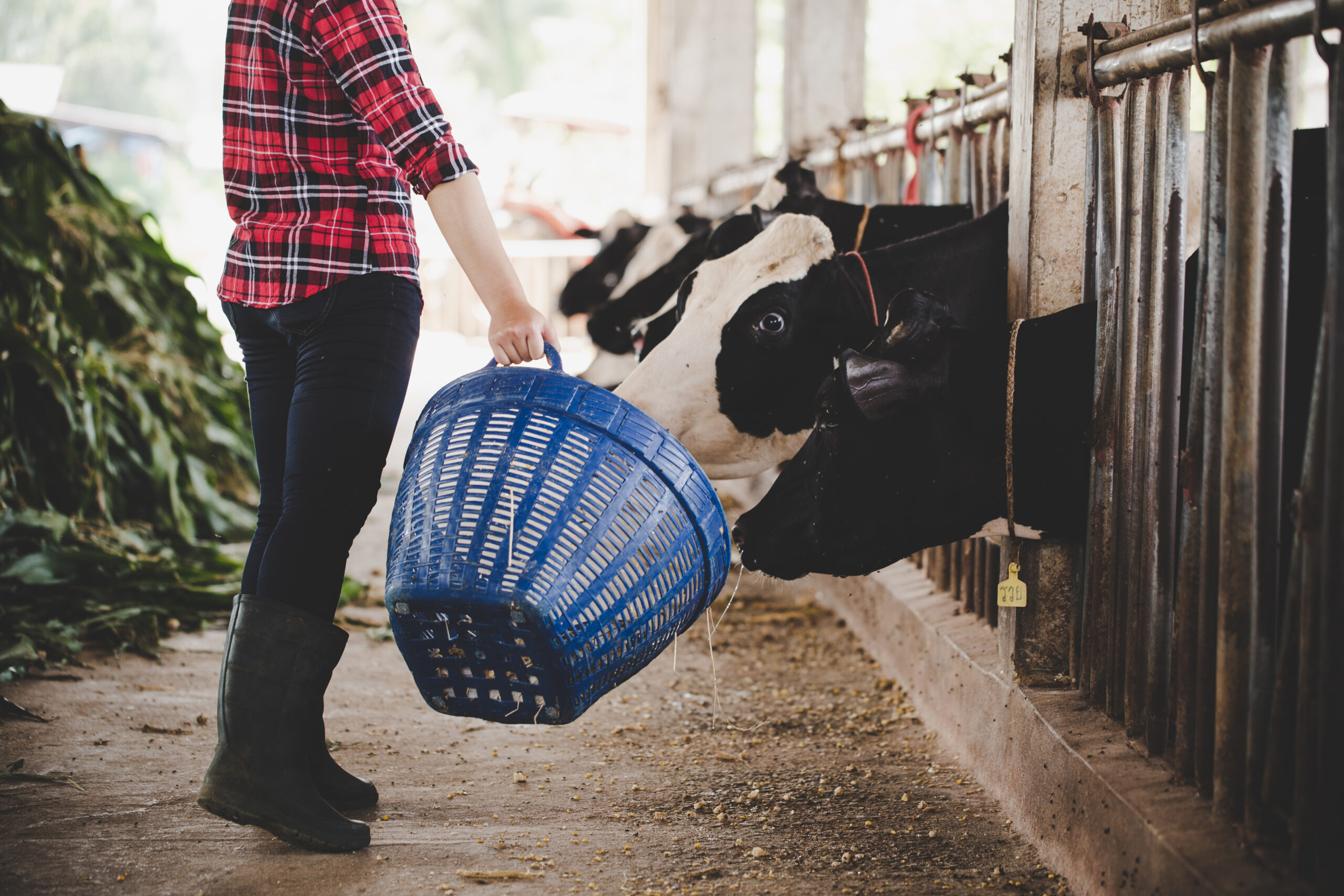
Disinfection in intensive animal husbandry
In intensive animal husbandry, disinfection allows maintaining a certain standard of hygiene, which is of paramount importance both for the health of the animals and for the quality and suitability of the products. Farm owners are responsible for complying with the hygiene requirements that apply to regular cleaning of premises, facilities, installations, including animals with appropriate detergents, ensuring health and safety in production.
Disinfection and hygiene in intensive livestock farming are a set of practices and techniques that protect animals from contaminants, various pathogens and unpleasant pests. Under good conditions, optimal productivity and realization of the qualitative and quantitative production potential of the animals will be achieved.
Types of disinfection in intensive animal husbandry
Disinfection is a set of techniques, methods and tools related to the destruction of pathogenic microorganisms in the environment. Disinfection can be considered precautionary and necessary depending on its purpose.
Protective disinfection
Protective disinfection is carried out regularly and acts as a precautionary measure. The aim is to take preventive measures to prevent the penetration and outbreak of epidemics and infectious diseases. It is carried out according to the category of animals, their species, technology in breeding and according to the season and in compliance with the practice – “full-empty”. According to the “full-empty” principle, a new batch of animals is housed in a completely empty room, which is thoroughly cleaned and decontaminated. For this it is necessary to make a rest period between 7 and 21 days, which is determined by the species and categories of animals. For example, precautionary disinfection in sheep pens is carried out twice a year – in spring and autumn, and in all other species – after the end of the technological cycle.
Urgent disinfection
The necessary disinfection in the field of intensive animal husbandry is carried out in case of outbreaks of infectious diseases. The main goal is to eliminate the infectious agent and stop its spread. Mandatory disinfection is also divided into ongoing and final. The current requires daily conduct, which can timely destroy pathogens. The final disinfection is carried out after the infection has been eliminated. The aim is to decontaminate the premises that have been inhabited by animals carrying the disease. Usually in these cases the disinfectant must remain on the surface, which is dewormed for at least 24 hours.
The manure is disinfected, the litter, contaminated food and other dirty parts are removed from the buildings, left in piles and sprayed with a disinfectant approved by the BFSA. Soft waste parts must be treated by a method that ensures the destruction of the virus. In addition, all mobile equipment is removed from the room and disinfected separately. An alkaline disinfectant with a pH above 12.5 or another approved by the BFSA is sprayed on the surfaces. The preparation is left for 48 hours and then washed off. After the final disinfection is completed, the treatment with the alkaline disinfectant is repeated on the 14th day.
Disinfectants
Physical and chemical disinfectants
Disinfectants are classified into two groups: physical and chemical. Of the first type, mechanical means, UV rays and fuel treatment are mostly used. The mechanical method refers to the physical purification of the surface, which includes washing and use. This type of disinfection is mandatory before switching to chemical disinfection procedures. Ultraviolet disinfection is used to purify water, air, walls of refrigerators, incubators and more. Such disinfection is done mostly through mercury-quartz lamps.
Thermal disinfection occurs in the form of fire, dry and moist heat. Controlled fire is used for incandescence, scorching or burning. For example, low-value items such as manure, residual feed, bedding, hives, etc. are destroyed by fire if necessary. A petrol lamp is needed for incandescence and scorching. As a method of disinfection, with the greatest use among the physical, moist heat ranks. It is hot water with a temperature of about 70 ° C, which is used to sanitize the milking equipment and vessels, with the addition of 1-2% sodium carbonate solution.
Accordingly, chemicals also include many options for disinfection. This procedure must completely remove and destroy any harmful microorganisms; to be safe for human and animal health; be compatible with various materials without compromising their integrity; to be easily applied. Disinfection with chemicals is done by immersion, washing and spraying with the help of special preparations.
Preparations for intensive animal husbandry
Pachico’s team works constantly to provide not only quality cleaning and disinfection products to its customers, but also to offer products that meet the needs of individual industries. Below we present only some of our specially developed items to achieve perfect hygiene in intensive animal husbandry.
● DECIDE ALD plus is an alkaline active foam. The preparation is used in intensive animal husbandry and has a high degreasing effect against plant, animal and mineral contaminants.
● PACHICO SCOT PL is a biocidal product combining bactericidal, fungicidal, virocidal and sporocidal action. Its application is wide, as disinfecting measures on water-resistant surfaces; areas in contact with food; places where animals are intensively kept; vehicles transporting food and animal products and raw materials.
● PACHICO SURFACE SPEED is designed for instant disinfection of a specific area. The preparation has bactericidal, fungicidal (Candida albicans) and limited virucidal (enveloped viruses) action. It can be used to treat small, alcohol-resistant surfaces.
We recommend that you get acquainted in detail with all the elements related to quality disinfection and compliance with mandatory hygiene standards in intensive animal husbandry. This will bring you farm stability and save you potential costs and damage due to poor hygiene.
Recent posts

Cleaning before moving to a new home: how to do it
Say NO to these 10 bad cleaning habits
How to clean car seats?
How to clean 9 items and appliances you use every day

Copyright © 2021 PaChico Inc. All rights reserved.